
Imagine opening your Spotify artist profile and discovering a song you never recorded, never approved and have absolutely no connection with. For artists, this is more than an embarrassing mix-up. It can affect their music catalogue, streaming statistics and the way listeners discover their work.
Spotify is now addressing this problem with Artist Profile Protection, a feature that gives artists more control over the releases associated with their profiles. As announced in Spotify's November 17 update, the feature is now available to all artists.
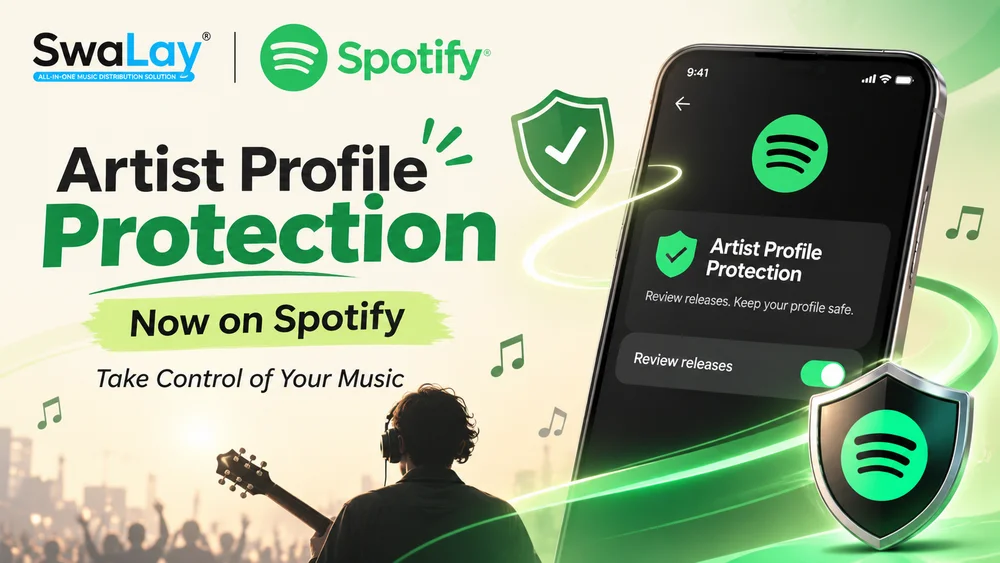
Here's how it works.
When a release is delivered to Spotify with an artist's name attached, the artist receives a notification and can review it through Spotify for Artists. Under the default Review releases setting, artists can remove themselves from eligible releases that do not belong to them, either before publication or within 28 days after the release goes live.
If an artist takes no action, the release goes live as scheduled. However, removing themselves means that the release will not appear on their profile or contribute to their statistics and listener recommendations.
Spotify is also testing a more restrictive Block releases option for selected artists. This setting requires approval before a release can appear under an artist's name, offering an additional layer of control.
Why does this matter?
Artist names are not always unique. Metadata mistakes, distribution errors and incorrect artist associations can send music to the wrong profiles. For independent musicians, whose reputation and audience are built around their digital presence, even one incorrect release can create confusion.
The new feature gives artists an opportunity to check what is being associated with their identity instead of discovering problems only after listeners notice them.
For independent artists, protecting a music catalogue is no longer just about releasing the right songs. It is also about making sure the wrong songs never claim their identity.