
A concert can sell out in minutes and still leave thousands of genuine fans without tickets. The problem is no longer just high demand. It is increasingly about who gets to the checkout first.
In October 2026, British singer Sam Fender postponed the presale for his Newcastle homecoming shows after a reported bot attack disrupted the ticketing platform. American artist Garth Brooks also faced a major disruption when more than 90,000 people entered a ticket queue for an additional show, with his team later saying most appeared to be bots.
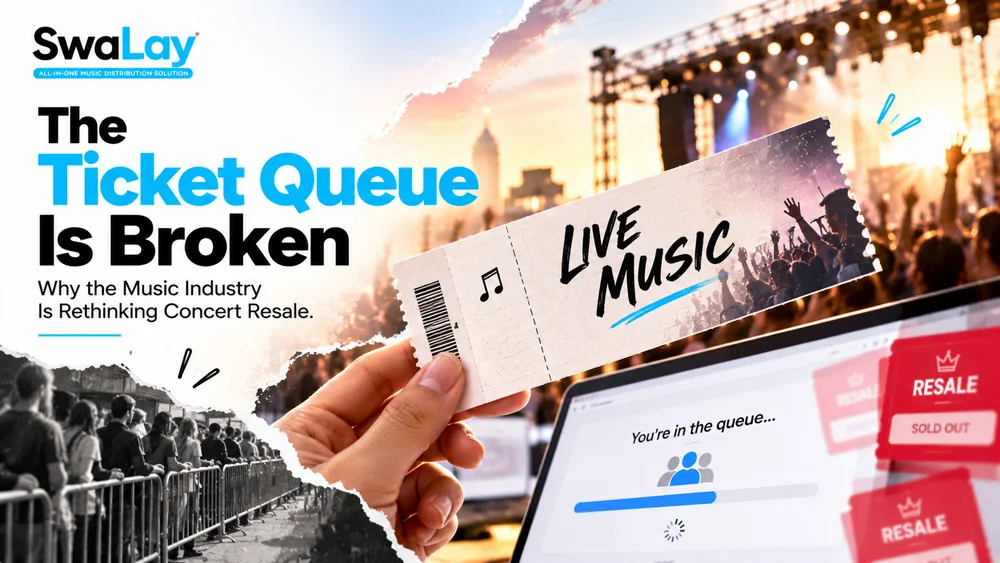
These incidents highlight a growing weakness in live music: automated buyers and professional resellers can turn fan demand into an opportunity for profit before genuine listeners get a fair chance.
The scale can be startling. Singer Raye reported receiving 1.8 million registrations for a concert with just 5,000 seats. Her team abandoned the planned presale approach and manually reviewed registrations to identify genuine fans.
But the industry is beginning to explore another solution: verified, face-value resale.
On October 29, 2026, ticketing platform Front Gate Tickets partnered with CashorTrade to allow festival passes to be resold at face value or below. Original purchase prices are verified, and tickets are reissued to buyers, helping reduce fraud and speculative markups.
For independent artists, this shift matters more than it may initially appear. A ticket is not simply a source of concert revenue. It represents a real person choosing to spend money, time and effort to experience an artist's music.
If genuine fans repeatedly lose access to shows, frustration can damage the relationship between artists and their audiences. Artists and promoters therefore need to treat ticketing as part of the fan experience, not merely the final step of event promotion.
The next competitive advantage in live music may not be selling out faster. It may be ensuring that the people buying the tickets are actually the people who want to attend.